FIFA World Cup

The FIFA World Cup, often simply called the World Cup, is an international association football competition contested by the senior men’s national teams of the members of the Fédération Internationale de Football Association (FIFA), the sport’s global governing body. The championship has been awarded every four years since the inaugural tournament in 1930, except in 1942 and 1946 when it was not held because of the Second World War. The current champion is France, which won its second title at the 2018 tournament in Russia.
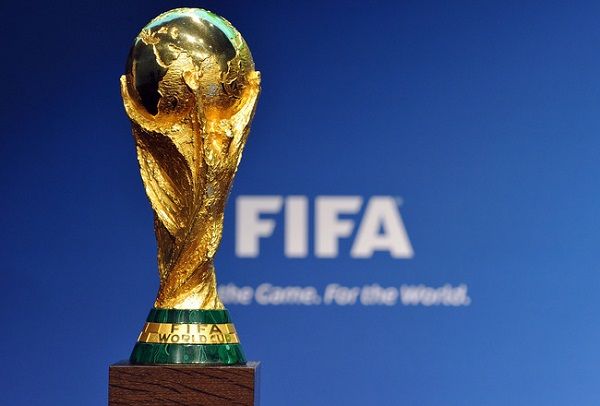
The current format of the competition involves a qualification phase, which currently takes place over the preceding three years, to determine which teams qualify for the tournament phase, which is often called the World Cup Finals. After this, 32 teams, including the automatically qualifying host nation(s), compete in the tournament phase for the title at venues within the host nation(s) over a period of about a month.
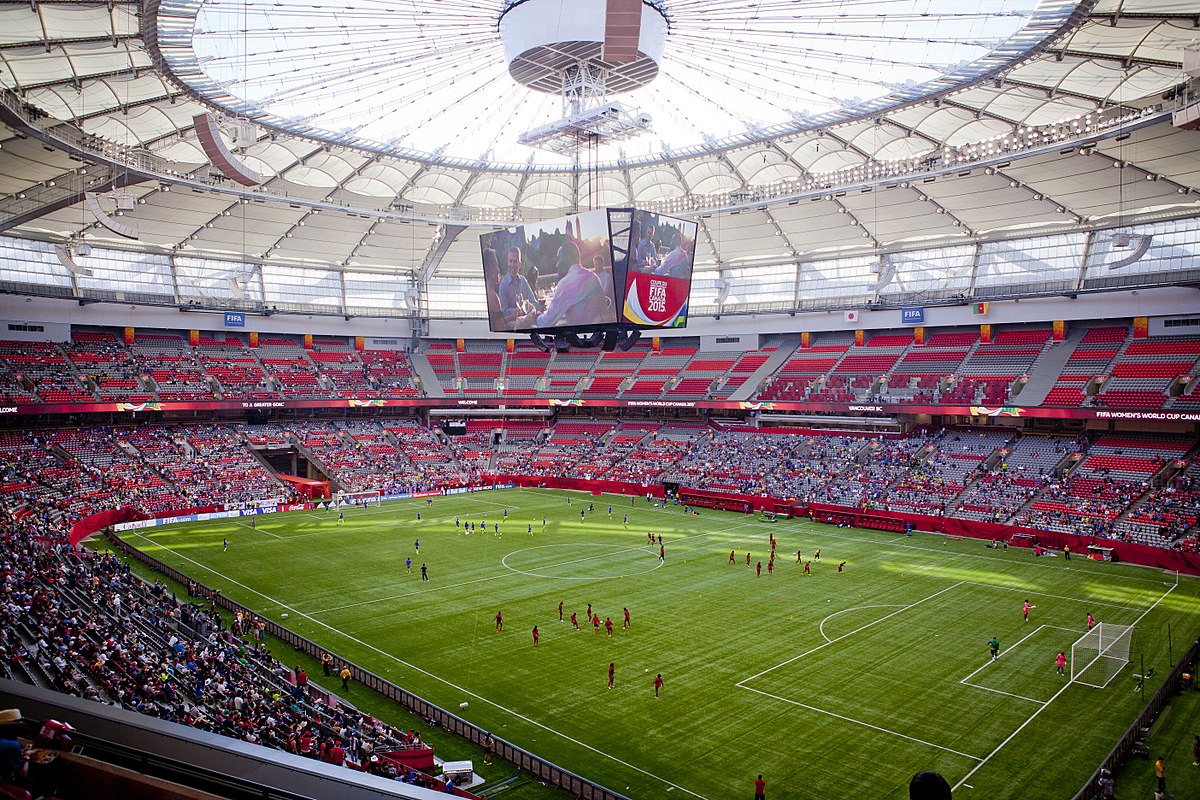
The 21 World Cup tournaments have been won by eight national teams. Brazil have won five times, and they are the only team to have played in every tournament. The other World Cup winners are Germany and Italy, with four titles each; Argentina, France and inaugural winner Uruguay, with two titles each; and England and Spain with one title each.

The World Cup is the most prestigious association football tournament in the world, as well as the most widely viewed and followed sporting event in the world, exceeding even the Olympic Games; the cumulative viewership of all matches of the 2006 World Cup was estimated to be 26.29 billion with an estimated 715.1 million people watching the final match, a ninth of the entire population of the planet
17 countries have hosted the World Cup. Brazil, France, Italy, Germany and Mexico have each hosted twice, while Uruguay, Switzerland, Sweden, Chile, England, Argentina, Spain, the United States, Japan and South Korea (jointly), South Africa and Russia have each hosted once. Qatar are planned as hosts of the 2022 finals, and 2026 will be jointly hosted by Canada, the United States and Mexico, which will give Mexico the distinction of being the first country to have hosted games in three finals.
Cricket World Cup : An Everlasting Journey

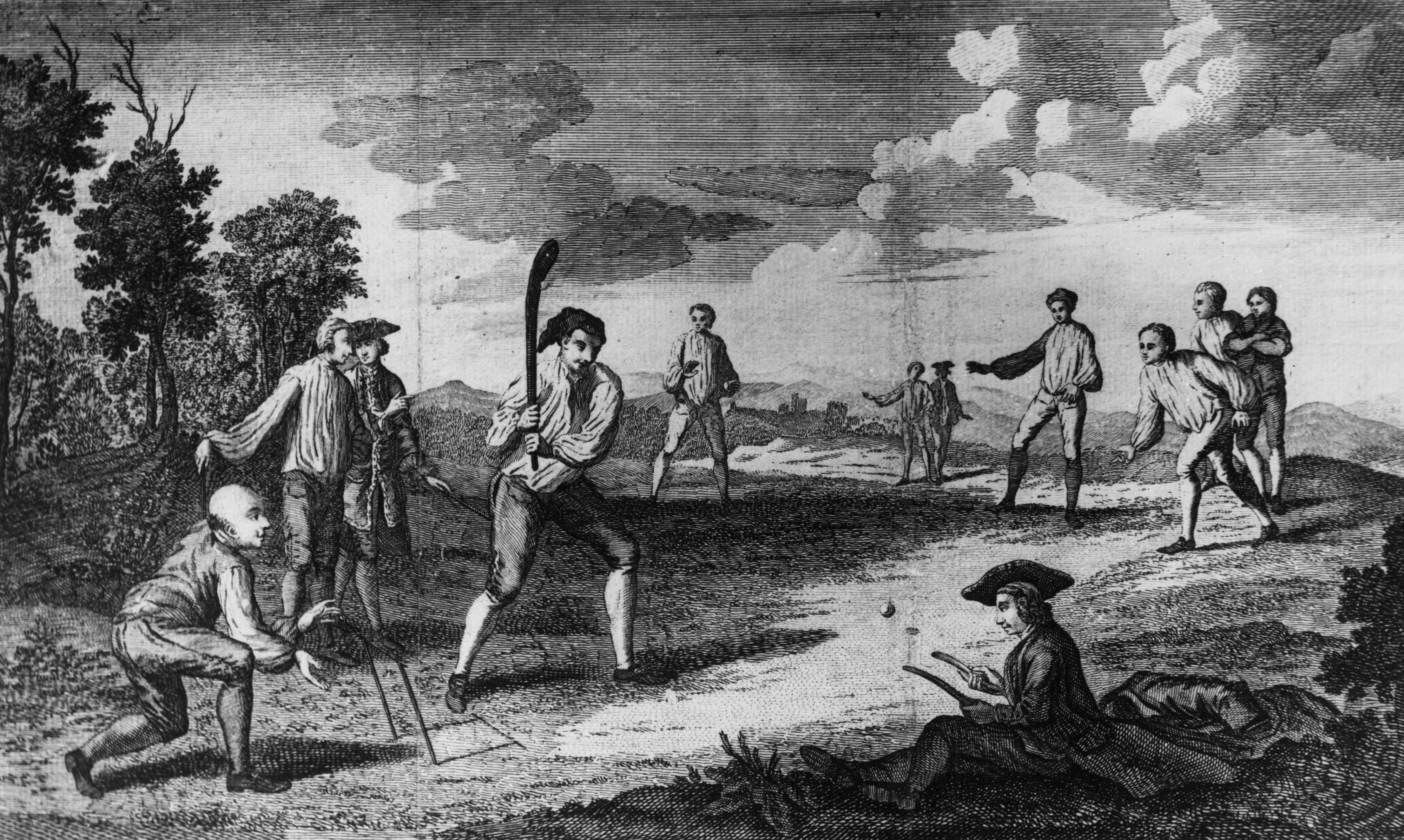
The ICC Cricket World Cup is the international championship of One Day International (ODI) cricket. The event is organised by the sport’s governing body, the International Cricket Council (ICC), every four years, with preliminary qualification rounds leading up to a finals tournament. The tournament is one of the world’s most viewed sporting events and is considered the “flagship event of the international cricket calendar” by the ICC.

The first World Cup was organised in England in June 1975, with the first ODI cricket match having been played only four years earlier. However, a separate Women’s Cricket World Cup had been held two years before the first men’s tournament, and a tournament involving multiple international teams had been held as early as 1912, when a triangular tournament of Test matches was played between Australia, England and South Africa. The first three World Cups were held in England. From the 1987 tournament onwards, hosting has been shared between countries under an unofficial rotation system, with fourteen ICC members having hosted at least one match in the tournament.

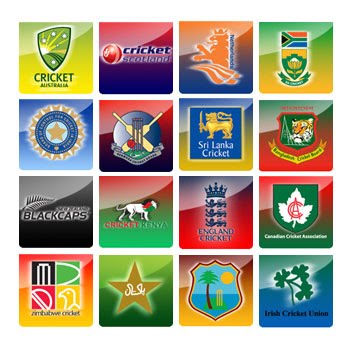
The World Cup is open to all members of the International Cricket Council (ICC), although the highest-ranking teams receive automatic qualification. The remaining teams are determined via the World Cricket League and the ICC World Cup Qualifier. A total of twenty teams have competed in the eleven editions of the tournament, with fourteen competing in the latest edition in 2015; the next edition in 2019 will have only ten teams. Australia has won the tournament five times, with the West Indies, India (twice each), Pakistan and Sri Lanka (once each) also having won the tournament. The best performance by a non-full-member team came when Kenya made the semi-finals of the 2003 tournament.

Fair Play

Sportsmanship

Sportsmanship expresses an aspiration or ethos that the activity will be enjoyed for its own sake. The well-known sentiment by sports journalist Grantland Rice, that it’s “not that you won or lost but how you played the game”, and the modern Olympic creed expressed by its founder Pierre de Coubertin: “The most important thing… is not winning but taking part” are typical expressions of this sentiment.

Cheating

Key principles of sport include that the result should not be predetermined, and that both sides should have equal opportunity to win. Rules are in place to ensure fair play, but participants can break these rules in order to gain advantage.

Participants may cheat in order to unfairly increase their chance of winning, or in order to achieve other advantages such as financial gains. The widespread existence of gambling on the results of sports fixtures creates a motivation for match fixing, where a participant or participants deliberately work to ensure a given outcome rather than simply playing to win.

Doping And Drugs

The competitive nature of sport encourages some participants to attempt to enhance their performance through the use of medicines, or through other means such as increasing the volume of blood in their bodies through artificial means.

All sports recognised by the IOC or SportAccord are required to implement a testing programme, looking for a list of banned drugs, with suspensions or bans being placed on participants who test positive for banned substances.

Violance

Violence in sports involves crossing the line between fair competition and intentional aggressive violence. Athletes, coaches, fans, and parents sometimes unleash violent behaviour on people or property, in misguided shows of loyalty, dominance, anger, or celebration. Rioting or hooliganism by fans in particular is a problem at some national and international sporting contests.

History : How it Got Started

Artifacts and structures suggest sport in China as early as 2000 BC.Gymnastics appears to have been popular in China’s ancient past. Monuments to the Pharaohs indicate that a number of sports, including swimming and fishing, were well-developed and regulated several thousands of years ago in ancient Egypt. Other Egyptian sports included javelin throwing, high jump, and wrestling. Ancient Persian sports such as the traditional Iranian martial art of Zourkhaneh had a close connection to warfare skills. Among other sports that originated in ancient Persia are polo and jousting.

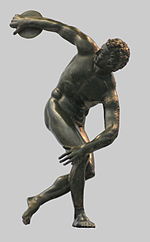
A wide range of sports were already established by the time of Ancient Greece and the military culture and the development of sport in Greece influenced one another considerably. Sport became such a prominent part of their culture that the Greeks created the Olympic Games, which in ancient times were held every four years in a small village in the Peloponnesus called Olympia.

Sports have been increasingly organised and regulated from the time of the ancient Olympics up to the present century. Industrialisation has brought increased leisure time, letting people attend and follow spectator sports and participate in athletic activities. These trends continued with the advent of mass media and global communication.

Professionalism became prevalent, further adding to the increase in sport’s popularity, as sports fans followed the exploits of professional athletes – all while enjoying the exercise and competition associated with amateur participation in sports. Since the turn of the 21st century, there has been increasing debate about whether transgender sportspersons should be able to participate in sport events that conform with their post-transition gender identity.

Paralympics : Get Inspired

Triumph of India’s Paralympics athletes in Rio!

The Paralympics held in Rio have given the world some awe inspiring sights. Physically challenged individuals put some inspirational performances making us wonder where do they get the drive to achieve what able bodied individuals will find difficult to accomplish. Let us looks at some of these inspirational individuals from India and around the world who performed brilliantly, inspiring the people around the world.

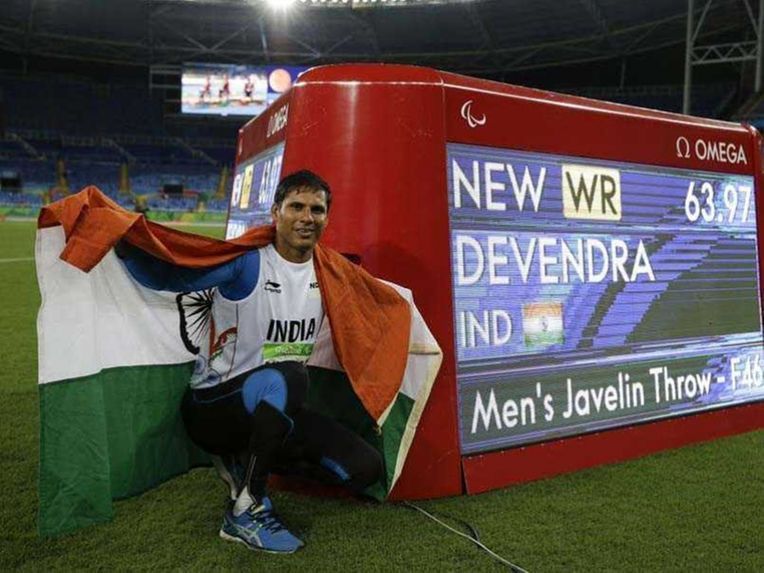
Devendra Jhajharia

Devendra Jhajharia often referred to as the ‘father of para-athletics in India’, is now the world record holder for Javelin Throw. He was only 8 years old when climbed up a tree and accidentally kept his left hand on a 11,000-volt strong electric cable. He was immediately rushed to the hospital where they amputated his left hand completely. Despite such a setback, he went on to do great things in life and has managed the greatest feat any Indian athlete has ever managed in Olympics or Paralympics. Not only has the 35-year old won gold, but he’s done it by setting a new World record. He broke his own world record of 62.21m which he had set in Athens 2004. A throw which sailed 63.97 m across the Maracana stadium today has officially made him the nation’s most successful athlete.

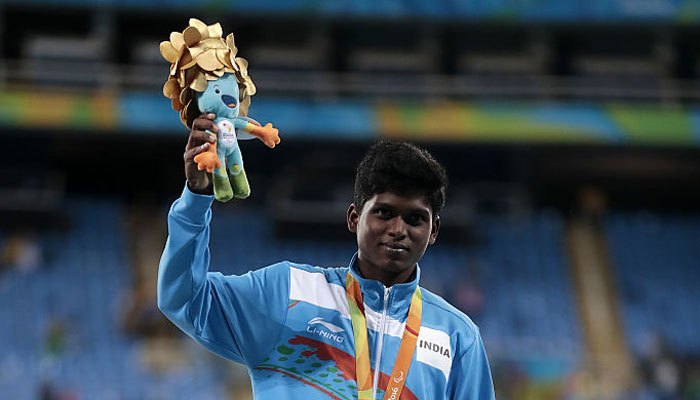
Mariyappan Thangavelu

Mariyappan Thangavelu clinched the gold medal in the men’s T42 high jump finals in Rio de Janeiro by cruising over the 1.89-meter mark. He was the World Number 1 in 2015, his first year of senior-level competition. Born in the Periavadamgatti village, 50 km away from Salem, his mother sells vegetable for a living. When he was five, his right knee was crushed under wheels while on his way to school. That left him with a permanent disability. A few years back, she took a loan of Rs. 3 lacs for his medical treatment which has not been repaid till date. Despite all the hardships life has thrown, today in Rio, the 21-year old high jumper became the first medalist of India in this edition of the Paralympic Games.

Why Sports?

Sports helps everyone to improve and maintain physical ability and skills. It is a way of entertainment to the participants. Sports play a great in everyone’s busy life especially for students. Everyone should involve themselves in the sports activity even for a small time all through the day. Sports are necessary because it brings physical and mental fitness to the person involved in this on regular basis. People who have busy schedule in their life get tired very easily. As we all know that, living a relaxed and comfort life we need a sound mind and a sound body. Education is very necessary to get name, fame and money. In the same way, getting a sound mind and body, everyone must involve in some type of physical activities for which sports is the best way.

Sports and games are very beneficial to us as they teach us punctuality, patient, discipline, teamwork and dedication. Playing sports help us in building and improving confidence level. If we practice sports on regular basis, we can be more active and healthy. Being involved in the sports activities help us in getting protected with numerous diseases such as arthritis, obesity, obese, heart problems, diabetes, etc. It makes us more disciplined, patient, punctual, and courteous in life. It teaches us to go ahead in life by removing all the weaknesses. It makes us bold and gives the feeling of happiness by reducing the occurrence of anxiety and angry. It makes us physically fit and mentally comfort using which we can easily deal with all the problems. Sports is  very important aspect of our life and should be balanced to gain maximum output.